
Antioxidants: Protection against aging
|
|
Time to read 4 min

|
|
Time to read 4 min
When our body uses oxygen to generate energy, byproducts called free radicals are produced. These compounds can damage our cells and accelerate aging.
Antioxidants are substances that help neutralize these free radicals. They prevent cellular damage and can repair damage already caused.
Antioxidants include vitamins, minerals, herbs, and other compounds present in food and supplements. These help fight cellular damage, prevent aging, and ward off various diseases.
Contents
Although we all need a daily dose of antioxidants to maintain a healthy cellular balance, certain people may benefit more from their consumption. Those who are regularly exposed to factors such as cigarette smoke, environmental pollution, or ultraviolet radiation from the sun have a greater need for antioxidants. These agents can increase oxidative damage in the body, so an adequate intake of antioxidants can help protect cells and prevent diseases related to this damage.
Vitamin C: The best-known antioxidant, it is water-soluble, which means it dissolves in water and, therefore, any excess of this vitamin is eliminated from the body through urine. After absorption, its concentration in the blood tends to decrease after approximately 4–5 hours. It is for this reason that its consumption is recommended approximately every 4–5 hours to maintain optimal levels in the body. Among its main properties are protecting cells, improving the immune system, improving iron absorption, and collaborating in collagen formation.
Glutathione: Glutathione is one of the most important antioxidants in the body; it is stored mainly in the liver and plays a crucial role in detoxification, protection against cellular damage, and regulation of the immune system. Recent studies suggest that glutathione can improve liver health, reduce inflammation, and protect against neurodegenerative diseases. To increase the bioavailability of glutathione in supplement form, it must be in its reduced and liposomal form.
Coenzyme Q10: It is a fat-soluble antioxidant found in all cells of the body, playing a key role in cellular energy production. Recent studies indicate that it can improve cardiovascular health, reduce fatigue, and promote skin health.
Vitamin E: A fat-soluble antioxidant that protects cells from oxidative damage and supports the immune system. It has been shown to improve skin health, eye health, reduce inflammation, and have beneficial effects on cardiovascular health.
Saffron: It is a spice rich in antioxidant compounds that has been shown to have anti-inflammatory and neuroprotective effects. Recent studies suggest that saffron can improve mood, reduce anxiety, and benefit eye and cardiovascular health.
Water-soluble antioxidants, such as Vitamin C, dissolve in water and therefore are not stored in the body; they must be consumed regularly throughout the day every 4–5 hours.
As for fat-soluble antioxidants, these dissolve in fats and oils, so they are better absorbed when lipids are present in the digestive tract. They are stored in the liver and the body's fatty tissues, so it is advisable to consume foods rich in healthy fats such as avocado, eggs, nuts, olives, olive oil, coconut oil, etc., along with these antioxidant supplements to improve their bioavailability.
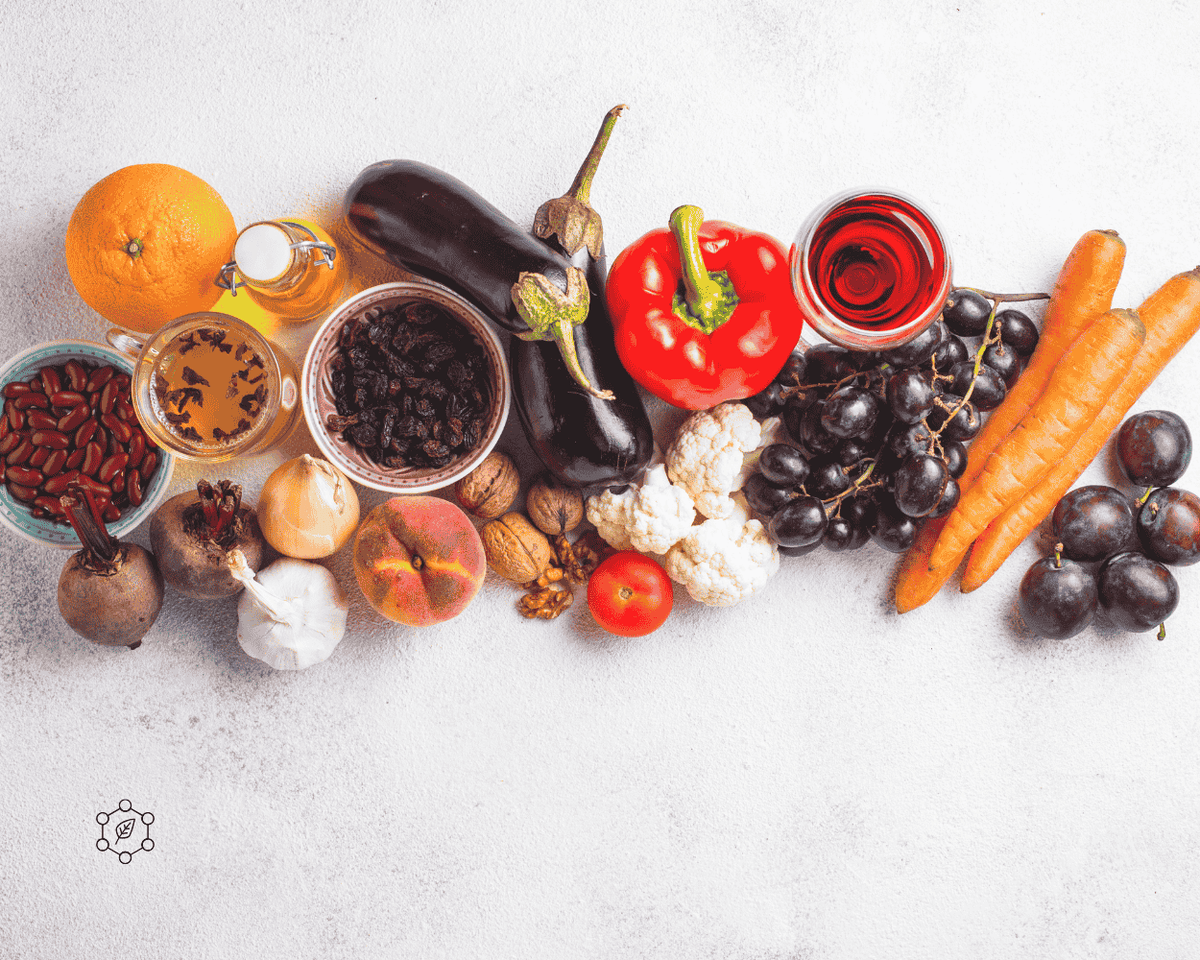
Including antioxidants in our diet is fundamental to protecting cells from oxidative damage and preventing diseases related to aging and other disorders. Foods rich in antioxidants, such as fruits, vegetables, legumes, nuts, fish, and healthy fats, provide a wide range of health benefits, so it is essential to maintain a varied and balanced diet.
Regarding antioxidant supplements, incorporating a variety of them can significantly enhance their protective effects and optimize cellular health more comprehensively. Each antioxidant has a unique mechanism of action, so incorporating diverse antioxidants into our daily routine allows us to address different types of cellular damage and maximize long-term health benefits. Adopting this balanced strategy is essential for improving overall health and promoting healthy longevity.
Ayleen Martinez
Orthomolecular Nutritionist
Bibliography
Gomez-Rico, A., et al. (2021). Antioxidant supplementation and its role in preventing age-related diseases. Antioxidants, 10(9), 1463.
Jacob, R. A., & Sotoudeh, G. (2002). "Vitamin C function and status in chronic disease." Nutrition Reviews, 60(9), 237-243.
Liu, Y., et al. (2020). "Effects of Vitamin C on oxidative stress and inflammation in chronic diseases." Journal of Clinical Medicine, 9(10), 3300.
Koh, K. K., et al. (2020). "The effects of Vitamin E on cardiovascular disease." Journal of Clinical Lipidology, 14(3), 387-396.
Halliwell, B., & Gutteridge, J. M. (2007). "Free radicals in biology and medicine." Oxford University Press.
Chavez, R., et al. (2019). "Vitamin A supplementation and immune function: Recent advances."Nutrients, 11(10), 2259.
Bauernfeind, J. C., et al. (1986). "The role of vitamin A in cell growth and differentiation." The Journal of Cell Biology, 103(6), 1867-1872.
erridge, M. J. (2021). "Cell signaling in health and disease: The role of glutathione."Biological Chemistry, 402(8), 1035-1046.
Harrison, F. E., et al. (2003). "Coenzyme Q10 and antioxidant defense." BioFactors, 18(1-4), 67-75.
Sinha R, Sinha I, Calcagnotto A, Trushin N, Haley JS, Schell TD, Richie JP Jr. Oral supplementation with liposomal glutathione elevates body stores of glutathione and markers of immune function. Eur J Clin Nutr. 2018 Jan;72(1):105-111. doi: 10.1038/ejcn.2017.132. Epub 2017 Aug 30. PMID: 28853742; PMCID: PMC6389332.
Sadeghian, S., et al. (2023).The therapeutic potential of saffron (Crocus sativus L.) in neurological and psychiatric disorders: A review. Journal of Ethnopharmacology, 283, 114685.
Asgarpanah, J., & Mohammadi, M. (2022).Pharmacological properties of saffron (Crocus sativus): A review of recent studies. Phytotherapy Research, 36(7), 1851-186
Aro, T., et al. (2019). "Coenzyme Q10 supplementation in cardiovascular diseases: A systematic review."Clinical Nutrition, 38(3), 1239-1247.
Elejalde Guerra, J.I.. Oxidative stress, diseases and antioxidant treatments. An. Med. Interna (Madrid) [online]. 2001, vol.18, n.6 [cited 2025-03-24], pp.50-59. Available from: <http://scielo.isciii.es/scielo.php?script=sci_arttext&pid=S0212-71992001000600010&lng=es&nrm=iso>. ISSN 0212-7199.


