
Berberine for your metabolism: proven benefits and current studies
|
|
Time to read 3 min

|
|
Time to read 3 min
Content
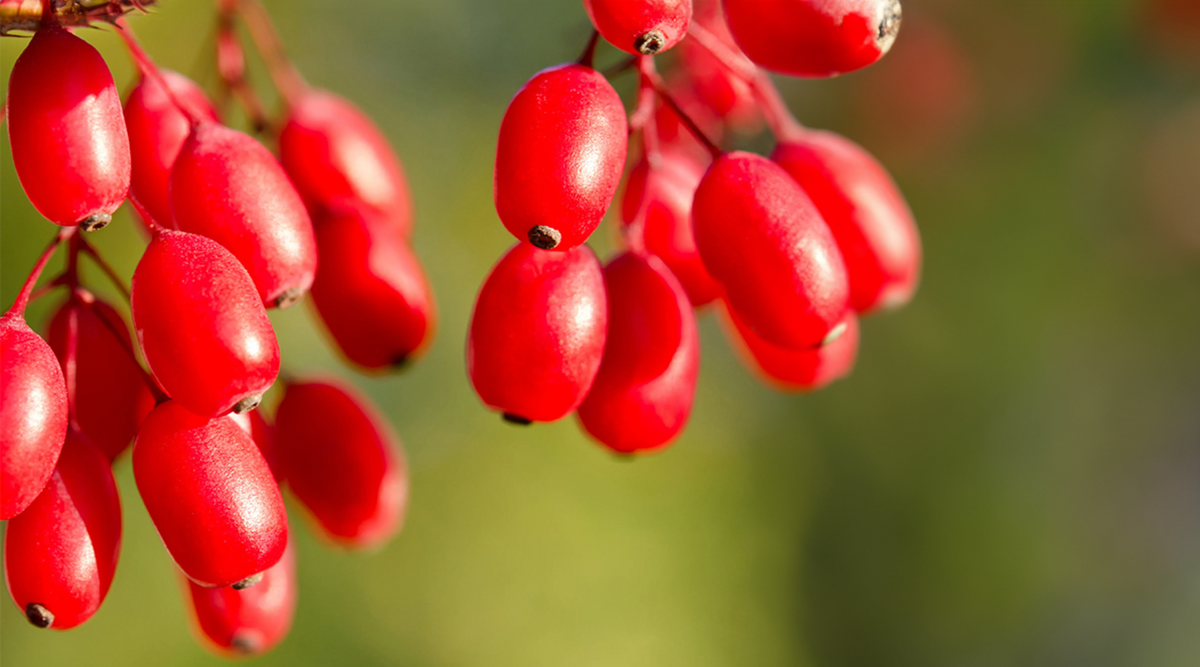
Berberine is a bright yellow natural compound found in plants such as barberry (Berberis), goldenseal, and Chilean michay.
This alkaloid has been used for centuries in traditional Chinese and Ayurvedic medicine, and today it is back in the spotlight in orthomolecular nutrition thanks to modern science.
Berberine acts on the metabolism as a true master regulator: it activates the AMPK enzyme, known as the "metabolic switch," which helps the body use energy more efficiently.
It also improves insulin sensitivity, reduces glucose production in the liver, and promotes blood lipid balance, making it a great support for those looking to control blood sugar, lipids, or inflammation.
Several studies have shown that berberine can be as effective as metformin, a classic drug for type 2 diabetes.
It helps reduce fasting glucose and HbA1c hemoglobin without causing the most common side effects of medications.
This is achieved thanks to its ability to increase insulin receptors and make it easier for sugar to enter cells.
Berberine also reduces LDL cholesterol (the "bad" one) and triglycerides, while potentially slightly increasing HDL cholesterol (the "good" one).
It acts like a "metabolic garbage truck," helping to clean arteries and promoting a healthier heart.
If your digestion isn't doing well, berberine could be the "gardener" you need.
It has selective antimicrobial properties, fights harmful bacteria such as H. pylori, and strengthens healthy gut flora, such as Akkermansia muciniphila, which is key for a functional gut and better nutrient absorption.
Berberine modulates inflammatory pathways like NF-κB, helping to reduce low-grade chronic inflammation. This not only improves digestive symptoms but also has a positive impact on the liver, joints, and immune system.
Although it is not a magic weight-loss pill, berberine has been shown to modestly reduce abdominal fat and body weight, especially when combined with diet and exercise. Additionally, it stabilizes appetite and improves energy metabolism.
Michay (Berberis darwinii), a shrub from the Chilean Patagonia, has been used by generations of indigenous peoples to alleviate inflammation and digestive problems.
Today, research in Chile has confirmed that its root contains berberine and palmatine, with clear anti-inflammatory effects in the laboratory.
A team led by Dr. Camilo Toledo from the Austral University of Chile is developing a nutraceutical extract from michay leaves to treat metabolic syndrome.
This condition affects 40% of the Chilean adult population, and michay could represent a local, effective, and natural solution.
Although it is sold over-the-counter, it is essential to speak with your doctor or nutritionist, especially if you are taking medication or have chronic conditions. Berberine can interact with antidiabetics, anticoagulants, and antihypertensives.
The usual dose is 500 mg before each main meal. You can start with less to see how you feel.
It is not necessary to exceed the doses, as it does not accelerate results and can cause digestive discomfort.
A diet rich in vegetables, moderate exercise, good rest, and less stress make berberine work much better. Remember: it provides the push, but you are the one pedaling.
Do blood tests before and after 2–3 months. Also observe your digestion, energy levels, and appetite. Improvement is gradual, so be patient and consistent.
Both substances activate AMPK and help control blood sugar, but berberine has a broader profile, with fewer side effects and additional anti-inflammatory properties. You should not substitute prescribed medications without professional supervision. Consult before making any changes.
It is a plant-based alkaloid that improves the use of glucose and fats, reduces inflammation, and strengthens the gut.
Not without medical guidance.
Generally mild, such as gas or nausea. If they occur, reduce the dose and consult a professional.
500 mg once a day, 30 minutes before a meal, for at least 3 months. Consistency is key.
Yes, it could help you. But it is essential to accompany it with healthy habits, as it is not a magic pill.
Yes, its use is not recommended during these stages or in young children.


