
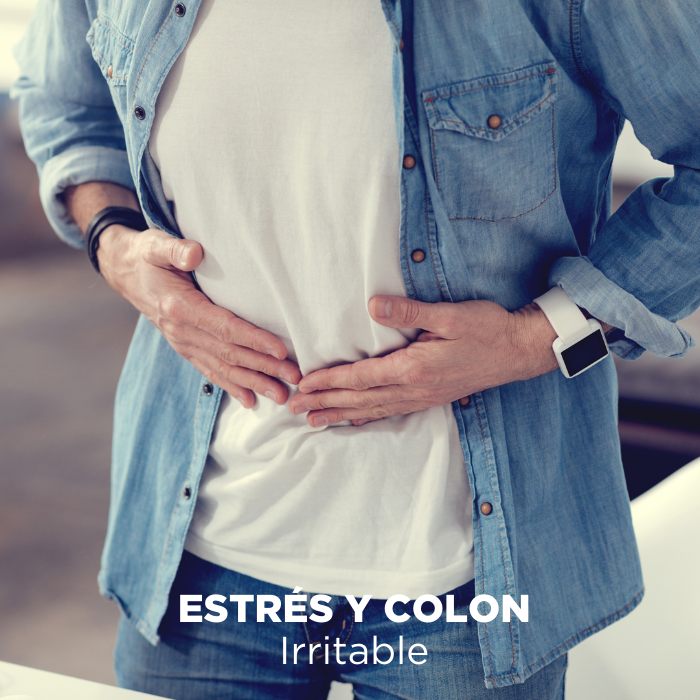
Stress and intestinal inflammation
|
|
Time to read 1 min

|
|
Time to read 1 min
Have you noticed that when experiencing a stressful situation, the first thing to bother you is your colon?
When you go through a situation of anguish, grief, anger, etc., a response known as “stress” is triggered, which is caused by a stimulus perceived as a threat. The high levels of cortisol that appear during chronic stress affect the gut’s mucosa and impermeability, allowing harmful substances to enter the body and triggering an inflammatory response, which increases the chances of developing intestinal permeability or dysbiosis.
Dysbiosis is an imbalance in the quantity or variety of microorganisms that inhabit the mucosa of our intestinal microbiota and causes diseases seemingly unrelated to the gut, such as: Fibromyalgia, Type 1 and 2 Diabetes, Allergies, among others.
It is estimated that up to 90% of all diseases are linked to the gut or its stability.
It is important to consider that the gut works in connection with the brain in a bidirectional way, which is why many emotional disturbances have repercussions on an intestinal level. Several scientists refer to the gut as a "second brain" or "enteric brain," since the digestive tract contains a complex network of neurons with a neuronal function very similar to the activity of our brain.
How do we treat stress at the intestinal level?
It is recommended to implement strategies to reduce intestinal permeability, providing necessary nutrients rich in essential fatty acids like Omega-3 and amino acids like L-Glutamine, which help in the recovery of the digestive epithelium.
Recovering the intestinal microbiota is also an important factor in protecting against colonization or infections by pathogenic germs. The incorporation of probiotics and foods rich in prebiotic fiber such as: carob, chia, cochayuyo (bull kelp), whole grains, etc.
Stabilizing the immune system. Both the intestinal mucosa and the microbiota participate actively in the development of immune function, which is why it is common for the immune response to be altered during intestinal imbalance. For this, it is recommended to incorporate fruits and vegetables of all colors, seeds, legumes, seaweed, and supplements such as: Vitamin D3, Vitamin C, Omega-3, Zinc, Selenium, and antioxidants into your daily diet.


