
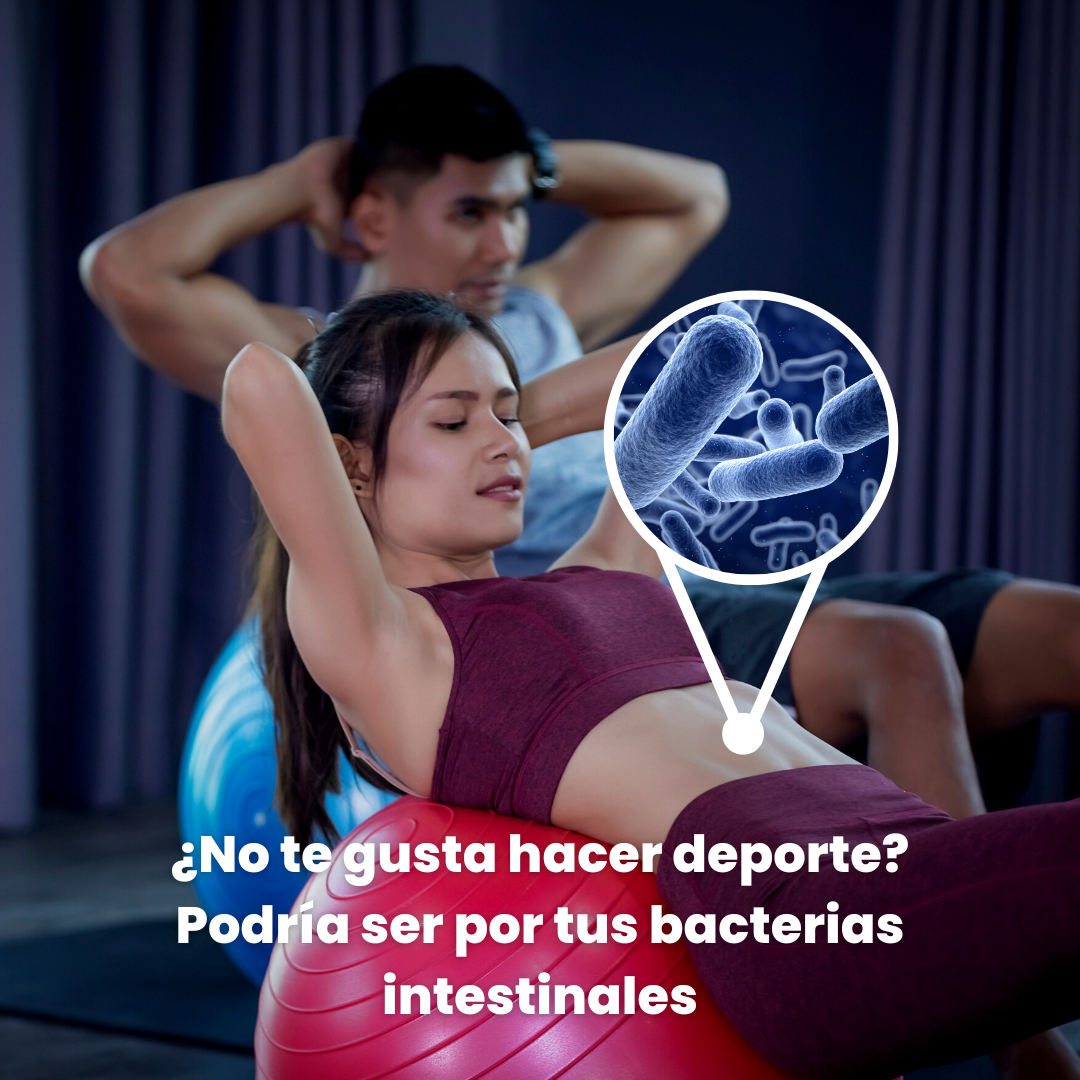
Don't like exercising? It could be because of your gut bacteria.
|
|
Time to read 2 min

|
|
Time to read 2 min
As shown by a new scientific study, certain bacteria in our gut can influence our attitude toward physical exercise via the brain's reward and motivation region.
We all know that exercise is good for our health. However, some people find it harder than others to get motivated to engage in sports, and until now, it was not well understood why. A new study in mice confirms that the mechanism behind exercise motivation might be related to the gut microbiota.
According to the results of the research led by scientists from the Perelman School of Medicine at the University of Pennsylvania, published in the journal Nature, an important factor that stimulates exercise, both competitive and recreational, is the motivational pleasure derived from prolonged physical activity. This is triggered by neurochemical changes induced by exercise in the brain.
This article describes a gut-brain connection that improves athletic performance by increasing signaling of the neurotransmitter dopamine during physical activity. The scientists discovered that differences in running performance within a large group of laboratory mice were largely due to the presence of specific gut bacteria in the higher-performing animals.
"If we can confirm the presence of a similar pathway in humans, it could provide an effective way to increase people's levels of exercise to improve public health in general," summarizes lead author Christoph Thaiss.
To look for factors determining exercise performance, the team recorded genome sequences, gut bacterial species, bloodstream metabolites, and other data from genetically diverse mice. They then measured the amount of daily voluntary wheel running the animals performed, as well as their endurance. They analyzed the data using machine learning, looking for mouse attributes that could best explain the significant inter-individual differences in running performance.
The team was surprised to discover that genetics appeared to explain only a small fraction of these performance differences, whereas inequalities in the gut bacteria populations appeared to be substantially more important, according to a statement from the University of Pennsylvania.
In fact, they observed that administering broad-spectrum antibiotics to the mice to eliminate their gut bacteria cut their running performance in half. The researchers found that two bacterial species closely linked to better performance, Eubacterium rectale and Coprococcus eutactus, produce metabolites known as fatty acid amides.
The latter stimulate receptors called CB1 endocannabinoids on sensory neurons in the gut, which connect to the brain via the spinal cord. This stimulation causes an increase in levels of the neurotransmitter dopamine during exercise, in a region of the brain called the striatum, a key node in the brain's reward and motivation network.
The findings open new avenues for scientific research, according to the authors. For example, the experiments showed that better-performing mice experienced a more intense "runner's high"—measured in this case by a reduction in pain sensitivity—suggesting that this phenomenon is also controlled, at least in part, by gut bacteria.
In addition to offering possible cheap, safe, and diet-based ways to get regular people running and to optimize the performance of elite athletes, exploring this pathway could also provide simpler methods to modify motivation and mood in contexts such as addiction and depression, explains J. Nicholas Betley, another of the signers.
If you are interested in improving your gut microbiota and boosting your energy and motivation for exercise, learn more about probiotics.


