
Polyphenols: the natural antioxidants that strengthen your health from the inside
|
|
Time to read 5 min

|
|
Time to read 5 min
Although a low intake of polyphenols does not produce specific deficiency diseases, an adequate intake of polyphenols could confer health benefits, especially regarding chronic diseases.
Polyphenols belong to the classification of phytochemicals, which are natural bioactive compounds found in fruits, vegetables, tea, herbs, nuts, legumes, seeds, cocoa, coffee, and other plant foods. So far, approximately 8,000 types of polyphenols have been discovered, and only some have been studied, but it is clear that their origin is found among the various vegetables that a diet may contain. For example, the vegetarian diet, the vegan diet, or the Mediterranean diet are mentioned as being rich in these compounds.
Polyphenols help plants defend themselves against threats in nature, and in humans, they provide health benefits. Furthermore, they are responsible for the color and flavor of vegetables. Polyphenols possess important biological activities, among which their antioxidant properties stand out.
Phytochemicals include polyphenols, flavonoids, terpenes, and other compounds. Phytochemicals interact with the gut microbiota in a bidirectional way. Bacteria influence the processing of phytochemicals and, in turn, metabolites from this processing affect the growth and activity of the intestinal microorganisms on which our health balance depends. For example, gut bacteria can convert polyphenols into anti-inflammatory, anticancer, cardioprotective, or neuroprotective bioactive compounds.
The interactions between phytochemicals and gut microbiota favor the control of the immune response, reduce inflammation, protect against chronic diseases, and constitute great potential for disease prevention.
Due to their abundance and recognized bioactivity, among the phytochemicals present in fruits and vegetables, polyphenols stand out.
The concentration of polyphenols in plant species varies according to a number of factors, such as the degree of ripeness, environmental factors like climate, soil characteristics, product processing, and storage method.
Some of these compounds possess anti-inflammatory, vasodilatory, antiplatelet, antimutagenic, and antimicrobial properties.
The antioxidant property that all polyphenols exhibit allows them to control the action of free radicals and other reactive species, which cause cellular aging when they are in imbalance.
Of the polyphenols ingested, only 5% to 10% are absorbed; the rest (90 to 95%) reach the colon as aglycones or flavonoids.
In the colon, these molecules interact with the microbiota and perform antimicrobial and prebiotic activities.
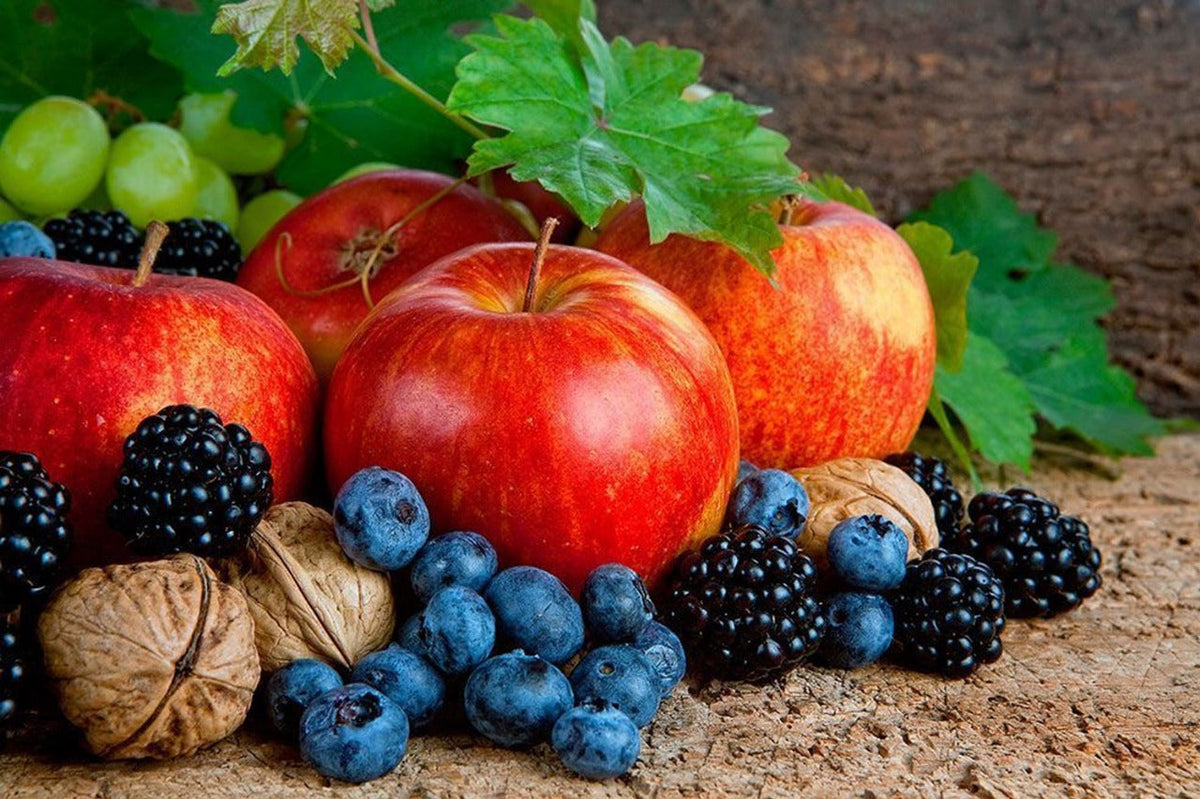
According to research by the INTA of the University of Chile, the fruits with the highest content of antioxidant polyphenols are native berries, such as maqui, calafate, murtilla, and others such as blueberries, blackberries, strawberries, raspberries, and cherimoya.
Other fruits rich in polyphenols are plums, apples, pomegranates, and grapefruits; and among the vegetables with the highest concentration are spinach, Brussels sprouts, broccoli, peppers, basil, parsley, and cilantro. Potatoes and beans from Chiloé exceed common varieties in antioxidant activity.
Note: Arteriosclerosis is the hardening of the arteries, which means that the arteries thicken and become less flexible. It can have several different causes.
Atherosclerosis, which develops from the buildup of plaque, is a common type of arteriosclerosis where arteries harden due to the buildup of fat, cholesterol, and other substances.
All atherosclerosis is arteriosclerosis, but not all arteriosclerosis is atherosclerosis.
The beneficial effects of polyphenols on different pathologies have not been extensively studied, but it is known that more than half of phenolic compounds have antibacterial, antifungal, anti-inflammatory, and antitumor properties.
Several demonstrate that they have some effects on animal tumor cells, on gastric and hepatic damage caused by alcohol, on the protection of the intestine, on the stability of red blood cells, on diabetes-induced cataracts, and on inflammation.
All these studies support, in some way, the beneficial effect of polyphenols on health.
Supplements should be prescribed by specialist professionals and should be ingested according to the recommended doses, on a daily basis, preferably at the same times.
If they are taken only occasionally, the adequate concentration will not be found in the plasma and results cannot be expected.
Depending on their concentration, some polyphenols could be antioxidant, as is the case with concentrations in food, or pro-oxidant, in the case of pharmaceutical doses oriented toward certain pathologies.
It has been reported that the excessive consumption of tea-based dietary supplements (approximately 10–29 mg per kg per day) could cause liver damage (hepatotoxicity) and block the absorption of iron.
Caffeic acid in concentrations above 2% can increase the risk of iron deficiency in consumers.
In summary, polyphenols are natural compounds, present mostly in the skin or surface of vegetables, fruits, legumes, seeds, algae, and other plant foods. They have antioxidant, anti-inflammatory, and prebiotic properties; they help the microbiota in the production of postbiotics, such as butyric acid and indole-3-propionic acid (IPA) (a tryptophan metabolite produced by the microbiota that has multiple benefits for human health by influencing insulin resistance, lipid profile, and bone and muscle health), as well as other secondary compounds that exert beneficial activities in metabolism.
Every day, more evidence appears confirming that the regular consumption of foods providing polyphenols contributes to healthy aging, such as in the case of the Mediterranean diet or a vegetarian diet, associated with a lifestyle that avoids tobacco use, excessive alcohol, promotes physical activity, and reduces stress.
Vegetable consumption should be varied and include representatives of the five recommended colors: purple, white, green, red, orange, yellow, and others in brown tones.
Avoid eating routinely and frequently incorporate plant foods that you did not know or were not in the habit of eating often.
Bibliography
1.https://inta.uchile.cl/noticias/191143/polifenoles-moleculas-con-beneficios-para-la-salud-
2.https://portalantioxidantes.com/articulos/
3. M. Quiñones1, M. Miguel2 and A. Aleixandre1, Polyphenols, naturally occurring compounds with healthy effects on the cardiovascular system. Department of Pharmacology. Faculty of Medicine. Complutense University. Madrid. 2 Institute of Food Science Research (CIAL, CSIC-UAM). Madrid. Spain
4. https://scielo.isciii.es/scielo.php?script=sci_arttext&pid=S0212-16112012000100009
5. Peyman Ebrahimi 1 Anna Lante 2. Polyphenols: A comprehensive review of their nutritional properties. The Open Biotechnology Journal • September 21, 2021. DOI: 10.2174/1874070702115010164
Nelba Villagrán
Integrative Orthomolecular Nutritionist | Technical Manager


